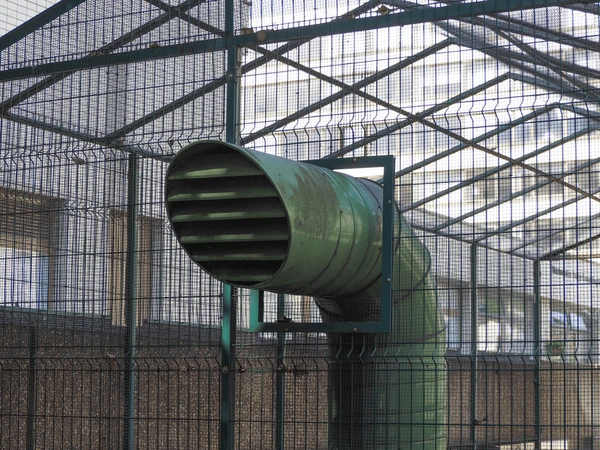
PVC has become a preferred material for many heating and cooling applications because it is reliable, durable, and offers several unique advantages. It is widely used in residential, commercial, and industrial systems. PVC does not release contaminated air and handles fumes safely, which makes it a practical choice for both workers and building occupants. Here are a few reasons why PVC ventilation ducts stand out.
Easy Installation
When it comes to heating and cooling components, PVC is one of the easiest materials to work with. It is strong, lightweight, and adaptable, which makes installation simpler compared to many other materials. PVC ducts can be used across ceilings, walls, floors, and other areas without major difficulty. This flexibility makes it a preferred option for builders and technicians.
Resistance to Corrosion
Corrosion is a major concern in HVAC systems, especially in environments where chemicals, fumes, or gases can damage ductwork over time. PVC ventilation ducts do not rust or corrode, making them a safer and longer lasting choice. They also meet standard safety guidelines, which adds another layer of reliability.
Cost Effective in the Long Run
PVC helps protect heating and cooling systems from moisture damage, which is a common reason metal ducts need replacement. Metal ductwork can degrade when exposed to moisture, often leading to repairs or early replacement. PVC, on the other hand, maintains its condition for years, reducing long term maintenance costs and saving homeowners and businesses money.
Versatility for Different Building Designs
Another major advantage of PVC is its versatility. It works well in buildings where ductwork needs to be installed in the floor rather than the ceiling. It also performs well in homes without crawlspaces or in structures built on solid concrete slabs where metal ducts may not be suitable. This flexibility allows builders to design systems more efficiently.